Sunday, 25 January 2015

Time to Experiment with Food

A block tucked away in Eden Valley
I’ve posted recently about top notch Shiraz, and I’ve also talked about variety. The right balance of tradition and innovation is key to the success of a region and is something that my four months in Barossa have taught me they have here. Shiraz and Riesling, King and Queen. There is a history of fortified wines in the style of sherry and port. There is a strong array of other Rhône varietals – Grenache/Shiraz/Mourvedre; Marsanne/Roussane/Viognier. That ever so unique and astonishing red blend formerly labeled as ‘claret’ – Cabernet Sauvignon/Shiraz. Not to mention smatterings of Italian varieties – Primitivo, Barbera, Vermentino. A recent trip to Victoria’s Yarra Valley and earlier trips to other wine regions in South Australia have reaffirmed my appreciation for the community, the history and the depth of the Barossa’s wine culture. There are over 70 cellar doors here and, not surprisingly, ever more wines to try. I have not even made it to half of those but am always trying to get to more.
Half of the pleasure of a good bottle of wine comes from what you drink it with. For that reason I am going to take you through the most extravagant meal I can think of, with wine options throughout.

Canapés
Bubbles are the order here. Australia makes some outstanding sparkling wines – Tasmania especially. In the Barossa though, Sparkling Shiraz is the order of the day. I can’t believe this isn’t a more popular wine overseas! It’s fresh and full, rich and light, all at the same time, dancing with spice and bright fruit. Most are very high quality traditional champagne method sparkling wines – not the cheapest, but certainly worth it for the depth of flavour only years of lees ageing can produce! Teusner ‘MC’ 2009 Sparkling Shiraz - $60, Rockford NV Sparkling Shiraz - $120. Pair with cured or smoked meat slices, mini lamb samosas or just the local Christmas Day tradition of bacon and eggs.

Salad
It couldn’t be anything but Riesling. Lime-y, racy and tight when young or marmalade toast and almond cake when old. For a salad with more sweetness (fig and gorgonzola or balsamic and pomegranate for example) go for young and off-dry or old and rich. Langmeil ‘LiveWire’ Riesling - $20, Sons of Eden 2007 ‘Freya’ Riesling - $30. Also great with age are St Hallett.

Barossa Valley Cabernet
Fish
This is one that massively depends on the dish. For a meaty fish, like Monkfish or even Halibut, with a rich cassoulet or chorizo side, go with a Grenache or Mourvèdre (known here mostly as Mataro) based blend. The more Mataro, generally the earthier it will be. Spinifex ‘Esprit’ GMSCC - $35 (finished with dashes of Carignan and Cinsault, light and fruity with underlying spice). For lighter fish dishes, from whiting to salmon, think MRV – Marsanne/Roussanne/Viognier, which has hints of stone fruit, a full bodied palate and a dry finish. Yalumba Roussanne - $20, John Duval ‘Plexus’ MRV - $30.

Main
It’s got to be something off the barbeque. Think slow cooked ribs thrown on to crisp up, or a classic slab of steak. I’d go with something traditional to the Barossa, and very unique to Australia: the Cabernet-Shiraz blend. I don’t know why this isn’t more popular over the world, as the two grapes complement each other so well! A classic is Yalumba 2010 Signature or 2011 FDR1A - $45/38, Rockford 2011 ‘Rod and Spur’ - $33. I prefer more Cab than Shiraz, so the more herbal and minty notes from the Cabernet bind with the rich, fruity Shiraz.

Dessert
Endless options. I am a huge fan of botrytis Riesling. It is sweet, but with a cleansing whack of acidity to balance it all out. Heggies Botrytis Riesling - $28 is killer with a good old pavlova.

Cheese
Again, this is definitely an area to experiment! The local Barossa Cheese Co has a good range of different styles, perfect to play around with different wine styles. For sticky fans, try an aged sweet Semillon for nutty, marmalade characters, like Two Hands 2010 ‘For Love or Money’ Semillon - $35 or Hobbs 2006 Dessert Semillon - $39.


I have tried here to showcase the endless options available for a wine and food lover. Most of the best pairings are accidents or experiments – so give it a go! Pop into your local bottle shop and ask about what might go with a new dish, or go to the Barossa section and try something you’ve never had. I’m continually impressed and I’m sure you can be to…


All prices correct in the Barossa at time of posting.

Saturday, 20 December 2014

Barossa, 4 Months In

Since September I have been living in the Barossa Valley, South Australia - check out my blog from the internship I was on with the Yalumba Wine Company here, at Mentor Me - Hugh. After the program finished, I decided to stay in South Australia and have been working in Cellar Doors and will be moving into the cellar itself at Yalumba for the 2015 harvest in a month. 

Artisans of Barossa, photo: H McCullough
In the three months since my internship ended, I've been able to meet a lot of honest, hard-working people who make some very tasty wines. I've also met a lot of tourists. I am in a strange position - a tourist myself, selling wine to other tourists. In mid-October I started working in the Yalumba Wine Room and at the same time, the Artisans of Barossa Tasting Room. Artisans of Barossa is a shared tasting room for 7 small Barossa producers, each of whom has a totally different approach and philosophy about winemaking. Over the next couple of weeks I hope to share with you some of my experiences with Yalumba and the Artisans, as well as some delicious drops I've been lucky enough to try...
I haven't had many days off, but the last few that I have had, I have made my way around the valleys a bit more; tasting more and learning more. With the extra time here I have without doubt developed more of an appreciation for the regions and areas around the Barossa - whether they be legally limited or not. The history of the place never ceases to fascinate me. I recently drank a Shiraz made from vines planted in 1880 (Barossa is full of these old vines, having escaped the ravaging vine-killing pest phylloxera, which has devastated vineyards all over the world) by a family that still tends to the vines, 6 generations later, selling their prized fruit to a winemaker 2km up the road to make a stunning drop of complex, rare and age-worthy wine. I have two bottles of it and will find it very very hard to keep my hands off while it slowly develops in my cupboard. The stories behind the wine are what make drinking a bottle worth it, for me. Getting the opportunity to meet those who strive to make the best possible wine is consuming - I hope that comes across when I pour tastings for visitors. 
Believe it or not, Shiraz was not my thing until I moved here. That has definitely changed. Anyone I can convert to Shiraz will never look back! There is no better feeling than having a visitor come in and say 'I don't know your wines and Shiraz isn't really my favourite - what can you show me?', then leave with two or three different styles they will appreciate and drink for years to come. So, with that in mind, here are three stunning - and completely different - Shiraz styles that have blown me away in the last few months:


- Sons of Eden Remus Shiraz 2012, Eden Valley

     This is a beast of a wine. Named for the mythical brother of the founder of Rome, Romulus, Remus is a powerful expression of what Eden wines can do. While their Romulus Shiraz is Barossa Valley fruit in American oak (ripe fruit on sweeter oak), Remus is Eden fruit on French oak (spice on spice). The cooler climate of the higher elevation Eden Valley tends to give Shiraz with a more peppery character, as well as a slightly lighter and more elegant palate. 20 months on 65% new French oak gives plenty of power, though and this will be one to come back to for at least 15 years. 


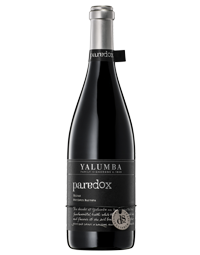
- Yalumba Paradox Shiraz 2010, Barossa Valley

     What an elegant wine. Those who think Barossa Shiraz is boozy and ripe must taste this to begin changing their minds! Subtle savoury characters come through this wine and maturation in large format barrels give it a mellow complexity rather than an over-oaked flavour. Wonderful with spiced lamb - all I can think about when tasting it! 

- John Duval Eligo Shiraz 2009, Eden and Barossa Valley

     A stunning wine from a winemaker who certainly knows his way around Shiraz (and Syrah!). Eligo means to hand select and this is exactly what has happened - fruit is marked from the vine as being of exceptional quality and only gets exceptional treatment. Every time you return to it, it shows off another dimension: bitter chocolate, blueberries, blackcurrants with a textured and lengthy finish of sublime, restrained power. Delicious.

I implore you all to go taste the fruits of the Barossa! More to come...

Tuesday, 8 July 2014

Louis Jadot Pernand-Vergelesses 'Clos de la Croix de Pierre' 1er Cru 2000

Recently I have been drinking a lot of American and Australian wines. I have always been a sucker for the rich, oaked Pinots from Oregon and California, and with an upcoming move to the Barossa Valley, have been trying more and more Shiraz. Except for last night. Every once in a while it's good to shock your palate and go back to a completely different style. I have recently been working on figuring out drinking windows for the Fine Wine Room at Luvians Bottle Shop and the last week or so has seen me going through our Burgundy section. What better way to see if the critics are right about 1er Crus' general potential to age for 10-15 years than to try a bottle? 

Louis Jadot is one of the largest and most well-known of Burgundy negociants, with plots and grape growers all over Burgundy, from the Nuits, to Beaune, Macon and Beaujolais. It makes wine at all price points and really showcases the best of the region. Pernand Vergelesses is a village in the north of the Cote de Beaune and makes white and red wine on its cool east-facing slopes that protect the vines from the pesky weather. In the area, Pommard, Aloxe-Corton and Beaune itself often make Pernand-Vergelesses wines relatively good value for money (as was the case for this wine, sitting at £25). 


Appearance: Just what I had hoped for in a 14 year old Burgundy: Light, dusty garnet colour - slightly rusty with orange tinted edges.

Nose: When first opened it gave off strong earthy aromas that would give it away as a Burgundy instantly in a blind tasting: notes of tobacco, farmyard and wet fur slowly gave way to macerated strawberries and tart cherries. As it opened up over the next hour the fruit came forward. Hints of liquorice and cedar wood developed, as well as a beautifully inviting rose petal note.

Palate: The palate was light and dry, with high acidity and low tannins, as you would expect from a Pinot. Initially it was quite funky (mushrooms, truffles, dusty farmy notes), but with time in the glass it blossomed. The purity of fruit was amazing, strawberries and cherries bursting on the mid-palate. Spicy notes popped up all over the place - cinnamon, clove, anise - complementing and backing the subtle vanilla hints from the oak ageing. This all blends seamlessly to a lengthy and powerful finish.

Conclusions: The wine has certainly aged well. The funky farmyard notes would have been too overpowering a few years ago, but have mellowed into a perfect drinking window just now. Amazing depth and complexity showed as it opened up in the glass: this wine proves Burgundy 1er Cru should be drunk either very young or after 14-16 years! Cracking Pinot and unmistakably Burgundy
  

Thursday, 3 July 2014

Ridge Monte Bello Chardonnay 2006

Here in the UK, Ridge Vineyards holds a special place in every wine-lover's mind. Though we only get a selection of their impressive range, what does make it across the pond always surprises and excites drinkers. Some expect the boldest, oak-heavy, Cabs, Zins and Chardonnays that California has become known for. Others who know Ridge's expert blending skills and supremely balanced, restrained style are almost always still pleasantly surprised with the composure and complexity in the wines. This Chardonnay is no different. I have previously reviewed their Geyserville Zinfandel-heavy blend to show how well Zin can age and have been eyeing this 06 Chardonnay for a while, wondering how well it has stood the test of time...

Appearance: A viscous intense gold colour that still appears lively and inviting.

Nose: On the nose the wine instantly shows its development - rich, nutty aromas move on to buttered toast along with bruised apples and pears and a hint of cinnamon. There are also hints of vanilla, honeysuckle and orange rind.

Palate: Once in your mouth this wine comes alive. It is full-bodied and all-encompassing. Rich and creamy, it tastes of apple pie, with the same notes of cinnamon and other Christmas spices, as well as giving lovely nutty notes intertwined with tropical fruits too. The complexity is amazing and I could keep listing flavours that dance around - the finish caps it all off and will stay with you for what seems like an age.

Conclusion: After 8 years this Chardonnay is really impressive. Though I'm not sure it could keep going for much longer, this amount of development is perfect for it. Ridge's top vineyard in the Santa Cruz Mountains has produced a Chardonnay that is balanced, restrained, yet intense, powerful and exciting. The high alcohol (14.5%) is completely integrated, as is the richness from oak fermentation and ageing. Its price tag (c.£60), I would argue, is justified, as it more than competes with White Burgundy at the same level and would blow a few out of the water. The French drink old Meursault with cheese after dinner: I would drink this. Top notch stuff.

Thursday, 19 June 2014

Notes from Portugal

I have recently spent a week in southern Portugal and much to my delight, was spoilt for choice when it came to wine. Like most European countries that aren't Great Britain, Portugal's wine culture is one that regards a bottle of wine not as an alcoholic drink to control, but an accompaniment to food; a refreshing drink on a hot summer's day. This is shown of course by restaurants serving nips of Port or Moscatel de Setubal when the bill is asked for. Mostly, however, it is shown in the price. Bottles in the supermarket start at around €1.49 and in restaurants at around €10. 'Wait!' I hear you cry - 'I can buy Tesco wines for £3 and Wetherspoons has bottle offers for £12!' The difference, however, is substantial. The huge amount of tax on wines imported to the UK means that the cheapest bargain bottles will have literally pennies spent on production, forcing supermarkets and pub chains to buy wine made in vast bulk quantities with little regard for quality. This is not the case in Portugal. What makes Portugal even more interesting is that most people - even wine geeks - have little to no idea about the intricacies of Portuguese grape varieties. 


There is a massive variety of styles made in the relatively small 600x200km country. From the lightest, freshest white Vinho Verde to the richest, booziest red Port there is a style for everyone. That is what made this trip exciting. Anyone who gets the chance to visit should try this: go to a local supermarket (bear with me here) and pick a random four bottles. When they are done, go do it again. It will never get old. The occasional bottle I recognised as being sold in the UK, but that only made me savour the experience more (Lavradores de Feitora Branco, a white wine from the Douro was €2.49, sold in the UK for £9.99). 
For those who like wine and are interested in more than being amazed at price differences in the EU, here is the fine print. Portugal's wine industry is made up of a number of cooperatives, and more recently, of a growing proportion of single estates (quintas) that continue to use local varietals with difficult-to-pronounce names. Inroads made by international varieties such as Cabernet Sauvignon, Syrah and Chardonnay are minimal and this serves to preserve what is one of the oldest geographically protected wine systems in Europe, which dates back to the mid-eighteenth century. Rapid modernisation since Portugal's entrance into the EU in 1986 thankfully hasn't changed the variety that makes Portugal's wine industry so interesting and enjoyable to explore. 

Here are a few styles that caught my attention while I was there:

Vinho Verde: It is always put on a different section in wine lists (Green Wine, White Wine, Red Wine) and with good reason. These wines from the north-west are made predominantly from Alvarinho and are often ever so slightly sparkling. They are also around 12%abv and are perfect summer wines. Light, refreshing and citrus-y, and in my opinion, far more exciting than generic Sauvignon Blanc.
Douro: Reds make up 80% of production here and are dry, powerful wines. Intense tannins and ripe fruit is often backed up with well-balanced acidity. If you splash out on a €10 bottle, expect complex spices and oak influences. Case-in-point: Quinta do Vale Meao's Meandro, €10.49 in a supermarket and an outstanding blend of Touriga Nacional, Touriga Franca, Tinta Rouriz and Sousao
Bairrada: Aromatic, yet crisp, whites were the most interesting from this region to the south-west of the Douro, with the reds too sharp in youth. Blends of Fernao Pires, Arinto and Cercial were great alternatives to Viognier or even Gewuertztraminer, with lovely weight and texture, ripe tropical fruits and good structure throughout.

All in all, Portugal was an amazing place to explore wine. The array of grapes and styles is endless, from the north to the south. There is far more in Portugal than just Port, and even though the taxes in the UK are vast, they are for all wines and most from Portugal still outstrip other countries in terms of value for money. Needless to say, it is a whole other story if you get the chance to visit yourself! Next time you are looking to try something new, ask your local bottle shop about their selection of Portuguese wines - you never know what gem you'll find.

Tuesday, 27 May 2014

A Year of Study, What Now?

Well, it has been nearly a year since my last post, which was about a visit to Montoliva Winery in the Sierra Foothills of Northern California. Much has happened since then - for both wine and non-wine things. A year as Captain of the Blind Tasting Team has opened my eyes to new and exciting styles and varieties as well as led to tasting success at the Sciences Po International Tasting VI at Champagne Bollinger (3rd place for St Andrews) and putting up a valiant effort at the Left Bank Bordeaux Cup qualifier in London and our Pol Roger Varsity match against Edinburgh. My final year at university will hopefully yield a degree (results coming shortly); essay work certainly led to off-topic diversions into the history of wine and grape migration to California, South America and Australia... In between tasting and university has been the WSET Level 3 course, a British-based Wine and Spirit qualification that has laid good foundations for further wine study. 

But what next?

In September I shall be traveling half way around the world to Adelaide, South Australia. I have been lucky enough to secure an internship with Yalumba, a family-owned winery in the Barossa Valley, and will be working there for a month, trying to learn as much as possible about the production process. (Yalumba, interestingly, has been a star winery in Oz for me for a while. Their Viognier is amazing and was a staple on the restaurant wine list. Check out What To Do With Viognier.) In the meantime, I am splitting my week between Luvians Bottle Shop (sales) and The Seafood Restaurant (sommelier) in beautiful St Andrews, Scotland. I'll be starting to post more regularly - musings about the industry, pairings, memorable wines - so pop back for nuggets of knowledge about all things viniferous: though I can't guarantee you'll agree with it all. If you're hip enough to have a Twitter, follow me @ItsInTheSwirl for 140-character opinions, when the mood strikes. 

Above all enjoy the sun and crack a bottle of something tasty!

Tuesday, 16 July 2013

A Touch Of Italy In The Sierra Foothills

The first place I visited this summer exploring the lesser-known areas of California's wine country was Montoliva Vineyard and Winery in Chicago Park, about an hour north-east of Sacramento. Montoliva is geographically on the outskirts of the Sierra Foothills AVA and is rather unique in that it only produces Italian varietals. Other small wineries in the region (Nevada County) use Italian varietals also in order to exploit the similarities with Tuscan soils, however none quite the same way as Montoliva. 
The owner and winemaker, Mark Henry, is clearly passionate about producing high quality wine that is enjoyable - but he is very clear about how that might not be enjoyable for all. As he put it to another visitor to the tasting room: 'Do not expect any of my wines to be like the usual Californian style: you may not like them.' All of the wines are made in Old World Italian styles, and the reds, therefore, are the showcases, the whites an introduction.
But what an introduction! Pinot Grigio was the variety he had chosen and the vines were planted just to the north, in North San Juan, a little higher in elevation than Chicago Park and a cooler climate, not unlike the hills of Fruili. It was an earthy wine with a pleasant crisp finish. The 2012 is rather muscular and the flavour did not wash out as much New World Pinot Gris/gio is liable to do. 
Sangiovese is the most-planted vine and I tried the 2007 and the Estate 2008. Both showed the characteristic Italian acidity and high tannins, and both were much better than a great many wines I have had from Italy! With a minimum of two years in neutral oak, there was a great complexity to the wine, yet it was not a sweet oaked complexity, but a lean, lengthy and savoury one. 
A 2008 Aglianico (originally from Southern Italy) was what followed. It was fuller and fruitier than the Sangioveses, with an intense eucalyptus finish, yet still carried the acidity and balance that made the previous two so enjoyable. Aglianico is the second-most popular wine in Italy and with the way it is being developed here, could very well make a run in the States in the future. 
Montoliva (now winning multiple awards for its wines) showed me why the lack of regulation on varietals is such a great thing in California. Without the history, development and regulation that is seen in the Old World, California is able to try as many varieties as possible and find what grows best, and where. Clearly in Chicago Park outstanding, engaging and truly Italian-influenced wines can be produced in a way that I (and I'm sure many others) did not consider.

Other wines tried: 

Sei Ore Rose - Sangiovese Rose with a slight second fermentation making it frizzante - refreshing, with body and not too sweet.

Sierra Bella 09 table blend - Fruity, spicy, complex, leathery... the list goes on. Lovely, balanced blend. Click for a full review!

Barbera 09 - Bright and lively, yet full-bodied. Almost sherried nose.

Dolcetto 09 - Velvety and intense, with a cool, clean mid-palate, before a spiced finish. One for food.

Late Harvest Barbera - A sweet wine made after an extra month of ripening on the vines, with 5% residual sugar. Lovely berry nose but a little syrupy on the palate.


Montoliva Sierra Bella, Chicago Park, Sierra Foothills, California, 2009

The first winery that I visited was this one, around the corner from where I was staying. The small production I hoped would yield high quality and that's exactly what I found! The vineyard grows only Italian varietals in the Italian style and this is their red table wine, a blend of Sangiovese, Dolcetto, Barbera and Teroldego.


Appearance: The wine looks dark and sleek, with an inky purple to it. It is light bodied and dances around the glass.

Nose: Very high acidity is the first thing you notice. This gives way to cinnamon, clove, anise and redcurrants.

Palate: The high acidity carries itself through a mid-palate of dark fruits and tar to the strict tannins. These, however, do not overpower the flavour, but enhance it into a complex, full-bodied finish with notes of leather and licorice. 

Rating: This wine (really the whole winery) surprised me. It completely bucks the trend in Californian wines towards sweet, thick fruity reds: There is freshness and acidity and there are stringent, Old World-style, savoury flavours throughout. Those looking for bold, oaky American wines will be disappointed, but those looking for an interesting, well-priced ($15), wonderfully food-friendly wine that shows the potential of a region on the rise will be more than satisfied. 8.5/10

Gnarly Head Cabernet Sauvignon, Lodi, CA, USA, 2011

This was the first wine on my 2013 California trip that I tried. Their Zin has made it across the pond (and is quite delicious at around 10 pounds per bottle), but this was the first I had seen of any other varietal. I went in expecting a big, juicy American brute of a Cab... and that's what I found!

Appearance: A strong garnet centre moved to a more purple edge with a youthful sheen to it. 

Nose: The nose starts with a slight freshness to it, with a hint of acidity, but its underlying power is almost tangible. Notes of coffee, stewed plum and aggressive cedar.

Palate: Though there is a touch of acidity, it gives way to a fruity crispness of currants and cranberries, which is then quickly washed away by thick, riper, sweeter fruits. There is a slight herbaceous zing to the back of the palate and a slight spice, but the finish is tainted by an alcoholic bite.

Rating: At 10 US dollars per bottle in California there is not much to complain about if it is the style you are looking for: it is a beefy, aggressive, thick American Cab with plenty of wood and high in alcohol (the label says 14.5). Definitely one to have with food. 7/10.

Saturday, 22 June 2013

Gusbourne Estate Sparkling Rose, Kent, England, 2009

English sparkling wine is clearly going from strength to strength and although the prices are rising a little from what they were a few years ago, the increase in quality is far higher. The estate in Kent enjoys south-facing slopes for the vines, very little wind and crisp, cold winters - perfect for wines made in the traditional methode champenoise.

Appearance: Pure, fine bubbles rise invitingly, with a medium salmon pink tint to the wine. 

Nose: There is plenty of acidity, as well as a delicate array of fine brown sugar, ripe strawberries and bramble leaf.

Palate: The acidity certainly carries through to the palate, yet is balanced by a stout body and rich, structured blend of raspberry and fresh cherry. A crisp, dry finish leaves an elegant taste in the mouth, with hints of currants and rhubarb.

Rating: I first tried Gusbourne's Brut two years ago when they were on the 2006 and loved it immediately. The Rose is a joy: high quality winemaking and clearly excellent grapes make for a delicious drop. Being a minimum of around £10 less than any of the big name Rose Champagnes only adds to its appeal. 9/10

Both were tasted at the Cherwell Boathouse in Oxford - anyone nearby should definitely make the trip for a bottle. It has also now been picked up as a house wine at Selfridges.

Monday, 17 June 2013

The Left Bank: Feeling Wine

The final competition of the Tasting Team calendar is the Left Bank Bordeaux Cup, the first round of which is hosted by the Commanderie du Bontemps in London. Other first round matches are held in France, USA and China with the top two teams progressing to the final in Bordeaux. Though St Andrews did not make the final, I was enlightened by the experience and, of course, the practise. In the weeks running up to the competition we tasted all we could from the Left Bank, from Médoc and Haut-Médoc to St-Estèphe, Pauillac, St-Julien, Listrac, Moulis and Margaux, down to Pessac-Léognan and Graves. There was even a set of questions on Sauternes and Barsac. While the sweet wine was delicious, it was the reds that fascinated me. 
Chateau Lafite Rothschild, Pauillac
We were training to be able to pick out the regions and communes, as well as the vintages of wines we were given. Initially I felt very daunted by the prospect. Before this, I had been rather taken with New World opulence, such as can be found in Californian Cabernets, and had not been tasting many French wines. I went in expecting to have to learn specific flavour, body and character differences for each village, yet when we began trying to break down each wine we tried, I realised how subjective and general much of this was. There was an astonishing level of depth and flavour for everything we tried - so much so that after a while, my tasting notes began to look more and more like a rather strange shopping list. On one particular comparison between a St-Julien and a Pauillac everything from mushrooms, tobacco, cassis, new leather shoes, cocoa and coffee to bell peppers, cumin, rubber, mint and strawberries appeared at some point.
Taking a step back, I looked to the basic composition of each commune and my initial first impressions of each wine. Rather than trying to come up with a formula, I decided to go on particular characteristics that seemed to jump out when I tasted each one for the first time. The first thing to know when thinking about the Left Bank is the soil. In the north (Médoc, Haut-Médoc, St-Estèphe, Pauillac) there is much more clay in the soils, which, generally speaking, allows for a thicker, more fertile and fruity wine. Further south, there is more gravel (St-Julien, Margaux and Graves). This allows more drainage and the wines typically show more delicacy and perfume, as well as a more stoney minerality. 
While Bordeaux now is typically much more expensive than many other regions, what I learned from the few weeks of Bordeaux tasting is that there is still something to be said for France's claim to make the best red wine. I will steer clear of agreeing or disagreeing with that statement just yet, though I will say that by working my way down the Left Bank I have a great appreciation for depth and character of the wines. The complexity and harmony of the flavours is unparalleled. When tasting, though it sounds cheesy, try to the feel the differences in the wines: a much better way of appreciating and beginning to understand the differences between the communes. 

Haut-Médoc: Power and thickness are key. One to try is Chateau Cissac.

St-Estèphe: Look for darker notes (tar, coffee, chocolate) and savoury touches. One to try is Chateau Meyney.

Pauillac: Velvety. One to try is Chateau Pontet-Canet.

St-Julien: Lean and woody, look for red fruits. One to try is Clos du Marquis (second label of Léoville-Las Cases).

Margaux: Delicate and perfumed, subtle and herbaceous. One to try is Chateau Martinens.

Graves: Stoney, yet delicate. Supple fruit. One to try is Chateau Peyrat.

Chateau Pontet-Canet, Pauillac, Bordeaux, 2006

Though still quite youthful, this was a delicious bottle. A lovely wine from a classic Bordeaux vintage.

Appearance: It showed clarity through the centre, with pink tinges to the edges.

Nose: A very complex nose came through as being quite plummy, along with leather, pencil lead and pine.

Palate: Weighty ripe fruit comes through first, though seems a little subdued. More age is needed to develop these flavours. Coming through was a smokey minerality, with a dark cocoa finish, complemented by strict tannins.

Rating: A smooth and controlled wine, but one that is not quite ready - it will break out with more age to it. That being said, the depth is still very impressive and the acidity a refreshingly balanced accompaniment to the dark fruits. 8.5/10

Chateau Cissac, Haut-Médoc, Bordeaux, 2008

A scrumptious Cru Bourgeois from a mixed vintage. 

Appearance: Deep garnet. A lovely thickness looks inviting.

Nose: There is a slight delicacy to the smell, but its power is unmistakeable. Hints of mint and cedar wood move to wet tobacco, blackcurrant and marzipan.

Palate: A sweet strawberry front-palate moves to a darker, softer mid-palate, with notes of plum and soft oaky spices (cumin, cloves). A touch of bell pepper freshens the finish which is lengthy, though the tannins are a little soft.

Rating: Delicious wine and a reasonable cost (c.£10-14). Its sweetness is not cloying and the palate very well-balanced. A firmer finish is my only wish, but a minor one. 7.5/10

Monday, 27 May 2013

Chateau Cheval Blanc, St-Emilion, Bordeaux, 2006

This was a real treat - a 2006 Cheval Blanc. I tasted this at Hedonism Wines in London as it was featured in their tasting bar in the basement and I couldn't resist. I am very slowly adding to my repertoire of the top Bordeaux Chateaux...

Appearance: Although the room was mood-lit to a low level, the wine was clearly bright and full-bodied, with touches of pink on the edges and a deep, inviting purpler colour.

Nose: The smells were rather subdued, yet clearly very powerful. There were hints of rich, dark chocolate, cedar and spiced plums. Relatively high acidity hints that it could age for a while yet.

Palate: The palate showed and impressive depth and character to the wine, with a real structure to it. A savoury mid-palate led to a burst of cherry, with a quince jelly finish aided by powerful tannins. 

Rating: From a year that was hit-and-miss on the Right Bank, the Cheval shows an amazing strength and depth. The wine-maker clearly successfully dodged the rains and produced a fantastic wine that will get better for quite a few more years. What a privilege to try one! 9/10

Tuesday, 14 May 2013

Cakebread Cellars Sauvignon Blanc, Napa Valley, USA, 2010

Another wine on the list at the restaurant, I've wanted to try this Napa Sauvignon for a while. I luckily got the chance a couple of days ago and it was definitely an eye-opener. A cool year, the 2010 vintage made especially crisp, green wine: this one is no different. It is Cakebread's process that makes this wine so interesting. As well as Sauvignon Blanc, small amounts of Semillon and Sauvignon Musque are added, for a bit of weight and structure, as well as floral notes. Just over 10% of the grape juice was fermented in oak barrels, while nearly 90% of the wine produced was then aged in French oak for 5 months. 

Appearance: The wine is very pale, with a slight hint of green to the edges and a robust body to it.

Nose: The first few smells are very intense - gooseberry, lemon zest and grapefruit mostly. There are touches of blossom and soft spices in the background, while crisp acidity is clear.

Palate: The front of the palate is very cool and crisp, almost leafy. It then bursts into a richness of melon and gooseberry, with an almost creamy, heavier texture from the oak. This is all then carried through by the zingy citric acidity to a powerful finish.

Rating: There is a lot going on in this wine. It has classic Sauvignon flavours, with a common blending grape added (Semillon), but also packs a serious punch. The complexity and weighty texture gained from the oak juxtaposed with the ripe acidic wine calls out for it to be drunk with food, which is when it will come into its own. By itself, it is a marvel to pick apart. 8.5/10  


Sunday, 12 May 2013

The Crusher Viognier, Wilson Vineyard, Clarksburg, CA, USA, 2011

This amazing new wine on the Seafood Restaurant list has surprised all who work there. It is from the little-known Clarksburg AVA, situated just to the East of Napa Valley. The soils are flat and fertile with plenty of clay and silt deposits, with fog and cooling breezes from San Francisco Bay blowing inland from the West. The vineyard's Petit Syrah is a marvel also.

Appearance: Unlike most Viogniers, The Crusher does not appear to be too thick and oily in the glass. It has a soft straw colour, with a hint of green to it that suggests youth and freshness.

Nose: The nose is bright, clean and very vegetal. Unripe apricots develop into notes of white peach and honeysuckle, while fresh grass and herbs make for an altogether fragrant wine.

Palate: The palate is weightier than the nose might suggest, but is not overpowering. It begins with a ripe peach sweetness that is supplemented by a poached pear and tropical fruit mid-palate. The finish brings in a green chilli pepper spice and a slight oiliness with a balanced and rounding acidity. It isn't the lengthiest wine I've tried, but certainly is powerful.

Rating: This wine is beautiful in youth. I'm not sure how well it would fare with much age, as much of the appeal is the freshness and clear-cut flavours at each step. There is enough weight and richness to pair with strong foods from scallops to spiced pork, while the acidity and lightness will keep you coming back for more. A fantastic, great value for money, American Viognier. 8.7/10

Sunday, 5 May 2013

Chateau Martinens, Margaux, Bordeaux, 2007

As the University Wine Tasting Team prepare for the last competition of the year in a few weeks' time, I thought I would share with you a couple of the wines we have been testing ourselves on! This Cru Bourgeois Margaux was delicious - certainly a nice treat on a Saturday afternoon... Anyone living in St Andrews can purchase this at St Andrews Wine Co. on Bell St.

Appearance: In the glass the wine appears at first glance to be a little older than 2007, with a brick orange hue to the edges, and a lighter garnet centre.

Nose: The complexity and development of this wine was quite amazing: every time I try a Margaux I am always drawn back to believing Bordeaux to be the world's top region for Cabernet Sauvignon and Merlot. Here it presents with a strong yet delicate nose of dark leather, cocoa, with a blueberry sweetness to it.

Palate: A plush chocolatey thickness gives way to a lighter stoney minerality and cleanliness on the finish, which is lengthy and very well structured. A slight hint of orange zest is notable, as well as delicate, soft spices and supple tannins.

Rating: All in all, I wish more Bordeaux could be like this. Elegant and refined, perfumed and delicate, yet with all the power and strength for its complex characteristics to show through. It is very well balanced and extremely drinkable. 9/10

Saturday, 4 May 2013

Pinot d'Alsace Metiss, Domaine Bott-Geyl, Alsace, 2009

This is an interesting blend from the Alsace region of France. It is made from predominantly Pinot Gris, but contains others in the Pinot family, like Pinot Blanc, Pinot Noir and Pinot Auxerrois. Made by Domaine Bott-Geyl, a biodynamic enterprise in Beblenheim.

Appearance: It has an inviting deep, dark gold colour, with a hint of green freshness about the edges.

Nose: It starts with amazingly fresh, clean green apples, and moves to a complex stoney minerality. It is packed with ripeness when opened in the glass, leading on to touches of honey and pear.

Palate: As is typical with many Alsatian wines, it is very dry, yet still has a ripe fruits and a full body to it. The front palate is all about the pear and apple acidity, but it then moves to a more delicate array of cloves, crystallised ginger. The finish is held together by a lengthy minerality, that leaves a pleasant warmth.

Rating: All in all, a fantastic wine for the price (c.£11). Very well-rounded, full-bodied, yet fresh. It certainly does better with food, but even without it the complexity will keep you impressed. Excellent balance of spice with acidity and weight. 8/10

Wednesday, 17 April 2013

Bollinger La Grand Année 2004

La Grand Année is Bollinger's vintage release and going in I was expecting a lot of power and depth. It is Pinot Noir dominant, aged for 5 years in bottle on the lees, after first fermentation in oak barrels.

Appearance: Light and fresh, yet with a gold tint. Concise and intense bubbles

Nose: It is a rather punchy nose, with toasty overtones, yeast, orange peel and hints of vanilla and clove.

Palate: Following the impressive nose, the palate shows an array of ripe fruits: pear, fig and blackcurrant.  A burst of citrus acidity on the finish is accompanied by a lingering minerality, while there are secondary notes of honey and soft, faint spices.

Rating: A lovely wine, although perhaps a little young (drunk April 2013). Following 2002 was always going to be tough, yet the wine is fresh, complex and exciting - it holds its own. Pricey, but worth the treat for a special occasion, boasting the craftsmanship and time that has gone into producing it. 8.2/10

Tuesday, 16 April 2013

Sciences Po International Tasting at Bollinger


This past weekend I was lucky enough to be selected to go as part of a St Andrews team of three to a tasting competition held at Bollinger, organised by the Parisian university Sciences Po. It was a competition unlike any I have done so far, with questions ranging from theoretical (about grapes permitted in specific regions, average prices, etc) to practical (arrange the following wines in order of age, which is not French and where is it from?). With twelve other university teams competing from all over Europe, the competition was fierce: the MC allowed teams between 30 seconds and 3 minutes per question depending on the difficulty, leaving little room for too much speculation. Three teams proceeded to a final round where they were given a Champagne and a red, along with 3 minutes, before presenting their findings to the judges and other competitors.

Bollinger La Grande Année Rose 1999, 2002, 2004
These sort of questions force you to focus on particular aspects of different wines and I found really helped to break up the components of each. Take, for example, the first practical question in the Champagne section. We were presented with 3 Bollinger La Grande Année Rosés and asked to sort them by age. Instead of approaching the nose and palate looking for hints of what the grape make-up could potentially be, we had to look for oak exposure, development of yeast (noting time spent ageing on the lees), strength and integration of the bubbles and complexity of the palate, all of which could indicate specifically how old a wine is. By breaking each section down into a specific aspect of the wines, I found a greater appreciation for all the factors that make up a particular bottle.
The first Rosé was dark in colour, a deep pink, with orange tinges. It showed a great deal of muscovado sugar, toasted brioche and currant flavours, but also had a strong acidity that suggested age, but perhaps not too much. It was a wine with a powerful and voluptuous palate that clearly was from a stellar vintage. The second was much more integrated as a whole mouthful, with softer acidity and lengthy sweet berry flavours, candied peel and buttery pastry. It was, however, not quite as dark in colour, and appeared lighter in consistency. The third showed a much stronger acidity and plenty of citrus on the nose. It was the lightest of the three and the palate didn't have the composure and length of the first two. Having said this, it still was a vintage Bollinger thought worthy of making a single release from, and clearly was very high quality! From that, the third would appear the youngest, while the first and second are tougher: either the first is marginally older (because of colour and power of flavour), or the second is older (because of complexity, development) and the first is just outstanding quality. As it happened, the latter was the case, with the first being 2002, the second 1999 and the third 2004.
Jeroboams ageing on the lees
Following the competition, we were treated to a tour of the Bollinger caves. This was particularly fascinating for a number of reasons for me: as well as being famous for ageing their wines far beyond what is required, Bollinger is one of relatively few Champagne houses that use oak barrels for fermentation (4,500 in total). That, along with their high percentage of Pinot Noir in every release (a minimum of 60%), gives a strong and robust wine, with a great deal of body. Looking down at the ageing process, it is clear to see that the house is obsessed with producing wine of the highest quality. The still wines (Chardonnay, Pinot Noir, Pinot Meunier) which make up their final blend are fermented first mostly in oak barrels. From there, many are bottled into magnums and left in the cellars to age: the reasoning being that magnums provide the perfect sized container for ageing. After that, the still wines are blended to whatever cépage is desired and rebottled with yeast for a second fermentation. They are then left to ferment and age on the lees and are turned a few degrees every day in order to keep the yeast contact high: a process called riddling. We were told a single riddler can turn up to 25,000 bottles per day by hand - definitely needed when the cellars hold over 10 million bottles, all at different stages of the process.
Pinot Noir vines at Champagne Bollinger
My second visit to Champagne has only increased my appreciation for the wines that are grown there - hopefully it won't be the last! Bollinger's astonishing ageing process is certainly evident in their wines and there will be shorter reviews of certain cuvées coming soon so watch out for those for any tips. Huge thanks must go to Sciences Po for organising such a fantastic and challenging competition.